Les exportations de pneus de l'ASEAN vers l'Europe monent maintenant
According to the latest quarterly report on the Tyres Europe market, imports of passenger car and light truck tires into the EU-27 and the UK experienced a significant decline during the first two months of 2026. The main reason for this phenomenon is the EU's anti-dumping sanctions against Chinese tires, which directly led to a near-halving of exports of these tires from China to Europe, thereby reducing the overall volume of European imports. This report clearly highlights the significant fluctuations in the European tire import market, providing a crucial reference for the industry's development.
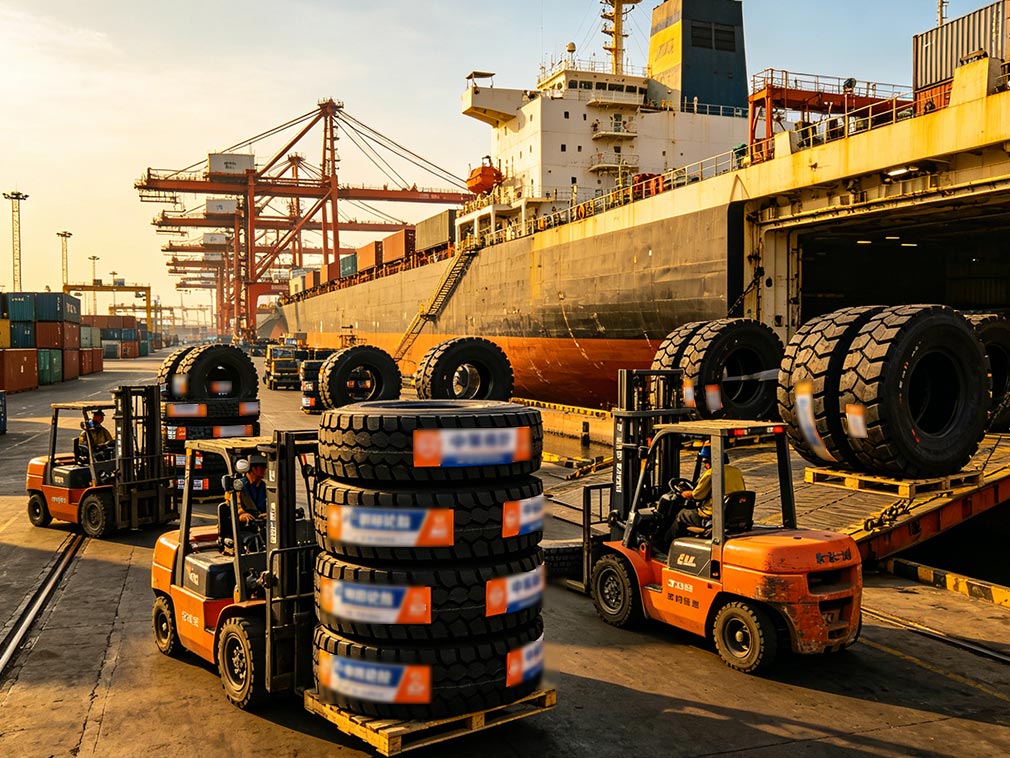
The data shows that in January and February 2026, European imports of passenger car and light truck tires decreased by 21.6% year-on-year, while the first quarter of 2025 had recorded a growth of 26%, a striking contrast. Specifically, total tire imports in Europe during the first two months were 5.6 million units lower than the same period the previous year, with the most significant decrease coming from China, a drop of 8.7 million units, or 45%, far exceeding the overall decline. As a result, the share of Chinese tires in total European imports fell from 74% to 52%, a severe reduction in market share.
However, the sharp decline in imports does not mean that the European market has abandoned Chinese tires; there is a specific context behind this. Tyres Europe clearly points out that the dramatic drop in Chinese tire exports is mainly due to the "abnormally" high comparison base in 2025.
When the EU launched its anti-dumping investigation, European distributors were generally concerned about a possible increase in import tariffs and prices once the sanctions were implemented. As a result, they rushed to stockpile goods, securing low-cost supplies in advance. This artificially inflated Chinese tire exports to Europe in 2025, leading to an "abnormal" surge.
A report by Astutus Research also confirms this. Under the influence of the EU's anti-dumping investigation, European distributors' stockpiling activity was particularly intense in 2025, especially during the second half of the year, with a concentrated release of accumulated demand.
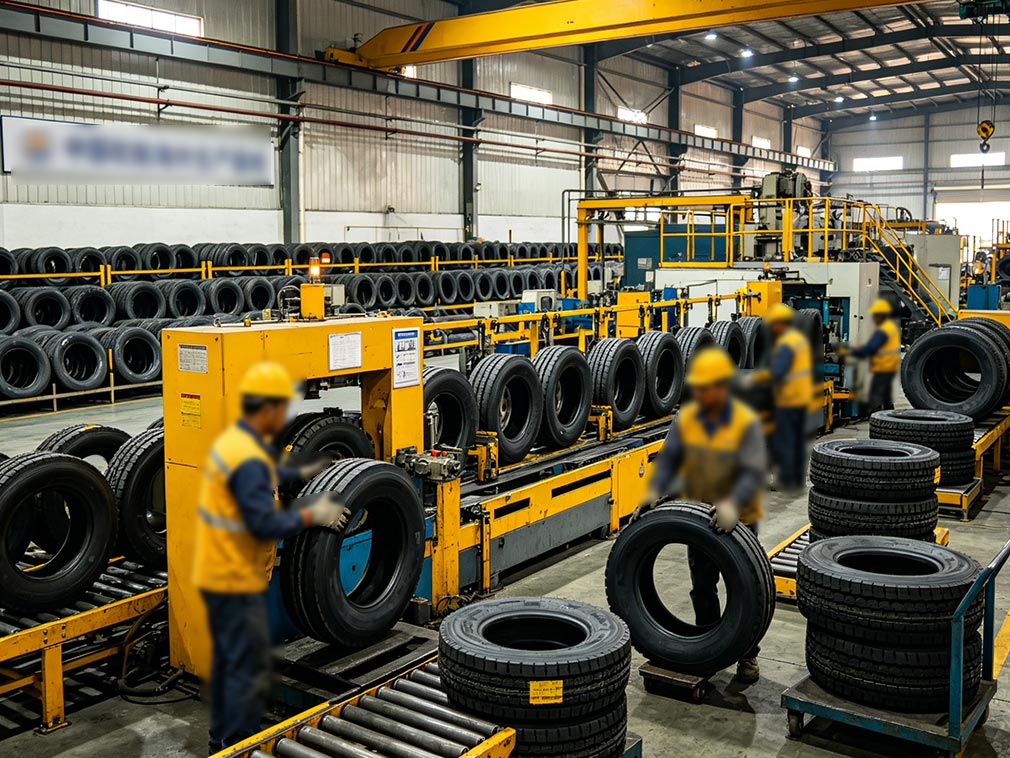
Tyres Europe further explains that September 2025 marked the peak of Chinese tire exports to Europe. Subsequently, as stockpiling demand gradually saturated and investigations continued, European imports of tires from China began to decline from the fourth quarter, reaching a low point in 2026, which brought down the overall import figures for the first two months.
It is worth noting that the demand for Chinese tires in the European market has not actually disappeared; the supply channels have simply changed. This situation is very similar to the changes that occurred in the U.S. imported tire market in recent years—when locally produced Chinese tires struggled to enter the market due to trade sanctions, Chinese tires produced in Southeast Asia quickly filled the gap.
In fact, Chinese tire companies have long been establishing a global presence. To circumvent trade barriers in Europe and the United States, leading companies like Zhongce, Linglong, and Sailun have built production bases in Southeast Asia. Tires produced at these bases can take advantage of local trade facilities to enter the European market, creating an "indirect" export route.
A research report by Zhongtai Securities in March 2026 mentions that starting from the end of 2025, the implementation of overseas production capacity by Chinese tire companies has significantly accelerated. The base in Southeast Asia has consistently maintained high capacity utilization, primarily to supply markets heavily impacted by trade barriers, such as Europe and the United States.
Data shows that in the second half of 2025, exports of passenger car and light truck tires from Southeast Asia to Europe experienced significant year-on-year growth, with the majority being produced in local factories by Chinese companies.
This strategic shift has allowed Chinese tire manufacturers to avoid direct EU anti-dumping sanctions while meeting the European market's continued demand for high-quality, cost-effective tires.
From a broader industry perspective, the EU's anti-dumping measures against Chinese tires did not emerge suddenly. In May 2025, the EU officially launched an anti-dumping investigation into Chinese passenger car and light truck tires.
At the time, the Chinese Ministry of Commerce explicitly stated that such protectionist practices would only artificially increase the burden on consumers, create trade barriers, and disrupt the stability of value chains and supply chains, ultimately harming both parties.
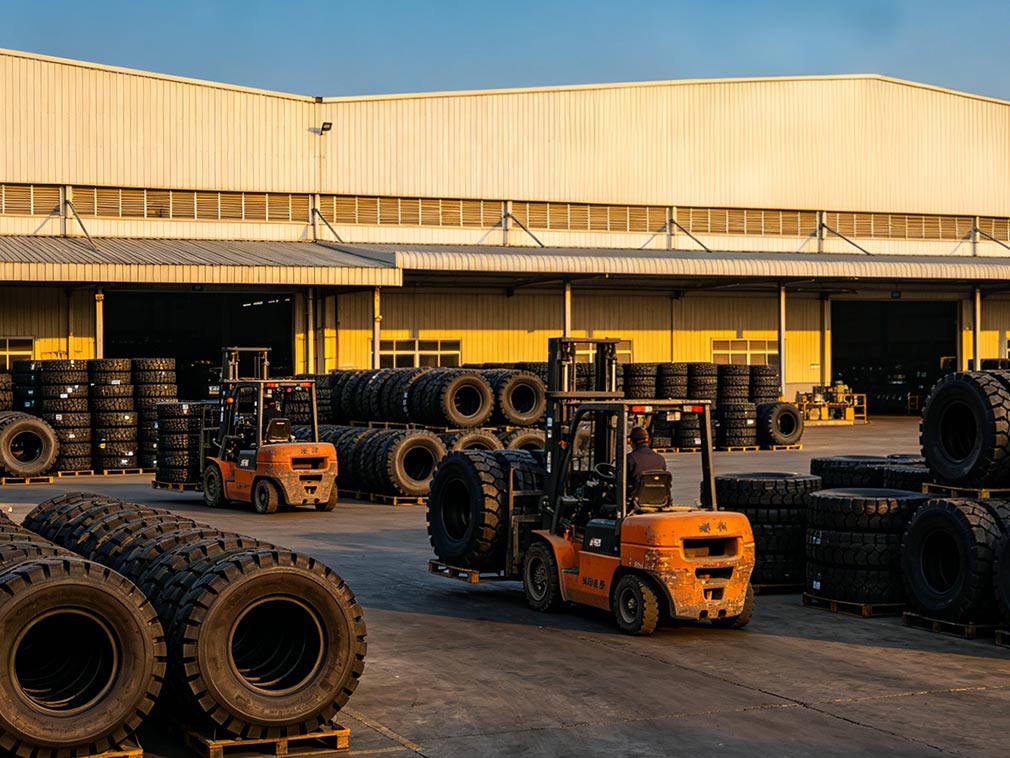
The ministry urged the EU to resolve the issue through dialogue and consultation. In March 2026, the final decision on anti-dumping was made, and it officially came into effect in June, further tightening the direct export channels of Chinese tires to Europe. This is precisely the direct political driver behind the sharp decline in Chinese tire exports to Europe during the first two months of this year.
In general, the significant decline in European imports of passenger car and light truck tires during the first two months of 2026 is the result of several factors, including the EU's anti-dumping sanctions and a drop in demand following unusual stockpiling in 2025. However, this does not necessarily mean that Chinese tires will completely disappear from the European market.
On the contrary, as Chinese tire companies deepen their global footprint, the "indirect" export model from Southeast Asian bases is gradually gaining momentum, and the market share of Chinese tires in Europe could stabilize in the future. At the same time, once inventories are largely depleted and real demand recovers, the European tire import market will gradually return to normal.
-
Les exportations de machines vertes augmentent de 21,7 % (19 août)5295
-
Les semi-remorques allemands atteignent 40 000 € selon les règles de l'UE (19 août)6392
-
Camions électriques chinois : plus de 16 000 exportés en 4 mois (19 août)6972
-
Les prix des pneus augmentent à mesure que les coûts grimpent (18 août).6506
-
La recharge des véhicules électriques sera-t-elle plus facile d'ici 2030 ? (18 août)6873